
© Copyright 2025, All Rights Reserved infashioner.com.
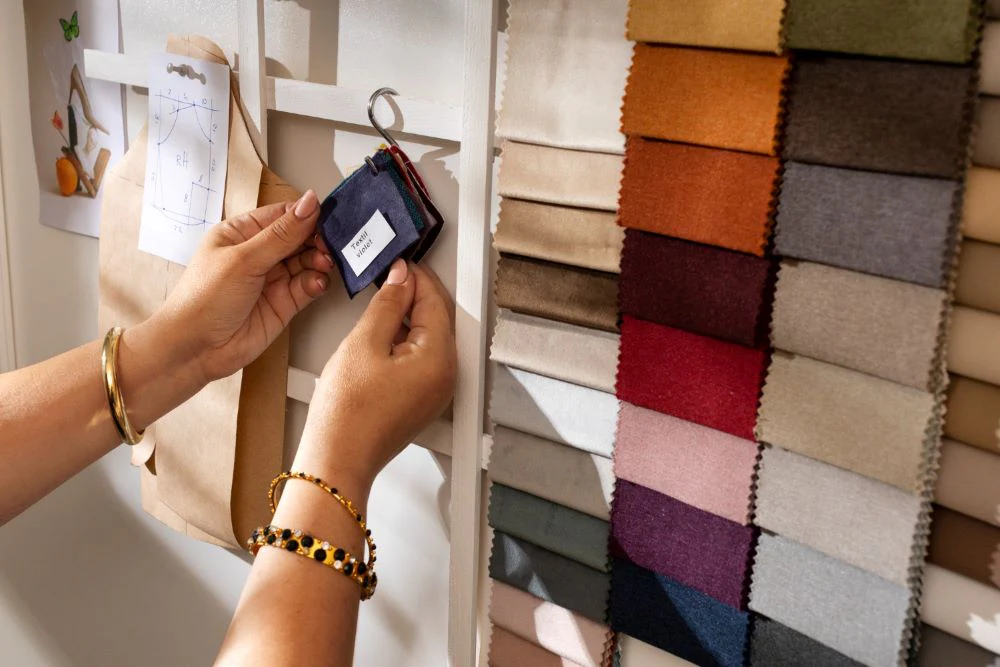
Finding the perfect cotton fabric supplier can make or break your next fashion project. With France’s thriving textile industry and growing demand for sustainable materials, choosing the right partner requires careful consideration of quality, certifications, and reliability.
This guide walks you through everything you need to know about selecting a cotton fabric supplier in France. You’ll learn the key factors that matter most, meet top recommended suppliers, and get practical tips for successful fabric sourcing.
Why Your Cotton Fabric Supplier Choice Matters
Your supplier directly impacts every aspect of your business. The right partner ensures consistent fabric quality, reliable delivery schedules, and competitive pricing that keeps your projects profitable.
Quality suppliers maintain strict standards for their cotton fabrics. They control GSM consistency, color matching, and shrinkage rates. This means your finished products meet customer expectations every time.
Reliable suppliers also scale with your business. They handle small sample orders for new designers and bulk purchases for established brands. This flexibility helps you grow without switching suppliers constantly.
Poor supplier choices create costly problems. Inconsistent fabric quality leads to customer complaints. Delayed shipments disrupt production schedules. High minimum orders strain cash flow for small businesses.
Key Factors When Choosing Cotton Fabric Suppliers
Fabric Quality and Variety
Start by evaluating the types of cotton fabric available. Quality suppliers offer multiple weaves including poplin, voile, twill, and cambric. They should also carry organic cotton options for sustainable fashion brands.
Check their fabric specifications carefully. Look for clear information about GSM (grams per square meter), thread count, and finishing processes. Suppliers should provide detailed fabric composition and care instructions.
Request samples before placing large orders. Quality suppliers offer swatch services or sample cuts. This lets you test the fabric’s feel, drape, and color accuracy before committing to bulk purchases.
Pay attention to dyeing consistency. Professional suppliers maintain color standards across different batches. They should provide color cards or digital color matching services.
Certifications and Sustainability
Certifications matter more than ever in cotton fabric sourcing. Look for suppliers offering OEKO-TEX Standard 100 certification. This ensures fabrics are tested for harmful substances.
GOTS (Global Organic Textile Standard) certification is essential for organic cotton. This standard covers the entire supply chain from fiber production to labeling.
BCI (Better Cotton Initiative) certification shows commitment to sustainable cotton farming. Suppliers with BCI cotton support water efficiency and care for soil health.
Ask about traceability. Quality suppliers can track their cotton’s origin and processing methods. This transparency helps you communicate your brand’s values to customers.
Minimum Order Quantities (MOQ)
MOQ requirements vary significantly between suppliers. Large manufacturers often require minimum orders of 500-1000 meters per color. This works for established brands but challenges small designers.
Look for suppliers offering flexible MOQ options. Some specialize in small batch production with minimums as low as 50-100 meters. These suppliers often cost more per meter but reduce inventory risk.
Consider your business model when evaluating MOQ requirements. Boutique labels need low minimums for testing new designs. Larger brands can benefit from bulk pricing on higher quantities.
Calculate total investment requirements. A 500-meter minimum at €8 per meter costs €4,000 upfront. Factor in multiple colors and designs to understand your full financial commitment.
Delivery and Logistics
Shipping timelines affect your production schedule. Domestic French suppliers typically deliver within 3-7 business days. International suppliers may take 2-4 weeks for standard shipping.
Consider warehouse locations. EU-based suppliers avoid customs delays and additional fees. International suppliers may offer competitive prices but add complexity to logistics.
Ask about shipping costs and policies. Some suppliers offer free shipping above certain order values. Others charge by weight or volume. Factor these costs into your total fabric expenses.
Check tracking and communication systems. Professional suppliers provide order tracking information and proactive updates about delays or issues.
Custom Services and Technical Support
Custom services add value for many fabric buyers. Look for suppliers offering custom dyeing, printing, or finishing services. These capabilities let you create unique fabrics for your brand.
Technical support helps with specification questions. Experienced suppliers can recommend suitable fabrics for specific applications. They understand how different cotton weaves perform in various garments.
Some suppliers offer design collaboration services. They work with brands to develop exclusive fabrics or adapt existing products to specific requirements.
Consider lab testing services. Professional suppliers can test fabrics for shrinkage, colorfastness, and durability. This ensures your finished products meet quality standards.
Top Cotton Fabric Suppliers for France
Fabriclore
Fabriclore ships globally to France and specializes in diverse cotton fabric options. They offer sustainable cotton varieties alongside conventional options.
Their MOQ starts at just 50 meters for most fabrics. This makes them ideal for small designers testing new concepts. They provide custom dyeing services and detailed fabric specifications.
The company maintains OEKO-TEX and GOTS certifications for their sustainable product lines. They offer sample services and detailed technical support for fabric selection.
Shipping to France typically takes 10-14 business days. They handle customs documentation and provide tracking information throughout the process.
Tissus.net
Tissus.net operates as a major EU-based fabric supplier with extensive cotton fabric inventory. They carry GOTS-certified organic cotton options alongside conventional varieties.
Their platform serves both individual designers and commercial buyers. They offer fabric samples and detailed product specifications online.
The company provides reliable shipping throughout France and neighboring countries. Orders typically arrive within 3-5 business days for domestic deliveries.
They maintain a large database of cotton fabrics in various weights and finishes. Their website includes detailed filtering options to find specific fabric types.
Mondial Tissus
Mondial Tissus combines online ordering with physical stores across France. This hybrid approach lets you examine fabrics in person before ordering.
They serve both hobbyist sewers and professional designers. Their cotton selection includes basic and premium options at various price points.
The company offers competitive pricing for bulk orders while maintaining reasonable minimums for smaller purchases. They provide fabric care instructions and sewing recommendations.
Their extensive store network makes returns and exchanges convenient. You can order online and pick up at local stores or arrange home delivery.
Biotissus
Biotissus focuses specifically on certified organic cotton fabrics. They specialize in sustainable textiles for ethical fashion brands.
Their cotton fabrics carry GOTS certification and detailed traceability information. They work with brands to develop custom organic cotton solutions.
The company offers technical support for sustainable fabric selection. They understand the unique properties of organic cotton and can recommend suitable applications.
Their MOQ requirements are moderate, making them accessible for mid-sized fashion brands. They provide detailed sustainability reports for their cotton products.
First-Time Fabric Sourcing Tips
Start with small sample orders from 2-3 potential suppliers. This lets you compare quality, service, and pricing without major investment.
Read customer reviews and testimonials carefully. Look for feedback about quality consistency, delivery reliability, and customer service responsiveness.
Clarify all costs upfront including shipping, customs fees, and any service charges. Hidden costs can significantly impact your fabric budget.
Establish clear communication channels. Ensure your supplier responds promptly to questions and provides regular order updates.
Document everything including fabric specifications, pricing, and delivery terms. This prevents misunderstandings and helps with future orders.
Test fabrics thoroughly before bulk production. Wash samples to check shrinkage and colorfastness. This prevents problems in finished garments.
Making Your Final Decision
Choosing the right cotton fabric supplier requires balancing multiple factors. Quality, sustainability, pricing, and service all matter for long-term success.
Consider trying international suppliers like Fabriclore for variety and customization options. Their flexible MOQ policies and certification standards make them suitable for many French buyers.
For immediate needs and simple requirements, domestic suppliers like Tissus.net or Mondial Tissus offer convenience and faster delivery.
Always request samples before committing to bulk orders. This small investment prevents costly mistakes and ensures you get exactly what you need.
Remember that the cheapest option isn’t always the best value. Factor in quality, reliability, and service when making your final decision. The right supplier becomes a valuable partner in your business growth.
Discover our extensive collection of custom-printed, ready mill-dyed, and yarn-dyed fabrics designed to perfectly complement your upcoming collection. For tailored support or any questions, contact us at hello@fabriclore.com. Experience effortless, genuine, and cost-effective fabric sourcing with Fabriclore.

Real estate needs to evolve with each stage of life. From buying your first home to finding retirement properties that suit your lifestyle, every chapter brings new opportunities and challenges. A tailored approach ensures that your housing situation meets both your immediate and long-term goals. Whether you’re a young professional, starting a family, or preparing for retirement, finding the right property is essential for comfort and security.
Finding the Perfect Home for New Beginnings
Starting fresh often means finding a home that reflects new goals and aspirations. First-time buyers are typically looking for homes that are affordable, well-located, and have room to grow. It can be overwhelming, but a clear plan helps. Working with an experienced realtor in the area can make this process smoother. They know the local market and can offer insights on properties that match your budget and preferences. The goal is to find a place where you can build your future.
Exploring Family-Friendly Housing Options
As families grow, so do the housing needs. The search for a family-friendly home often includes considerations like space, neighborhood, schools, and amenities. Many families want a yard for kids to play, proximity to parks, or a short commute to work. A good realtor in this stage will focus on these specific needs, ensuring that the property not only fits the family but also supports long-term plans. The right home can provide the stability and environment needed for children to thrive.
Choosing the Right Retirement Properties
Retirement brings new priorities when it comes to real estate. Many individuals and couples are looking for homes that require less maintenance, are located near medical facilities, and offer a peaceful, comfortable lifestyle. Retirement properties often offer amenities such as accessibility features, low-maintenance living, and social communities. Realtors who specialize in retirement properties can provide guidance to ensure that you choose a home that matches your vision for this new chapter. These properties are not just about comfort but also about ensuring that the future is manageable and enjoyable.
The Role of a Realtor in Your Property Search
A realtor in your journey through real estate offers more than just listings. They act as your advocate, helping you navigate the complexities of buying and selling homes. From understanding market trends to negotiating the best price, a realtor provides invaluable expertise. They can also help you with more specific needs, like finding retirement properties or homes that support a particular lifestyle. With their knowledge, a realtor in your area saves you time and stress, ensuring that every real estate decision is aligned with your goals.
The Benefits of Working with a Realtor in Retirement
A realtor in retirement can be an essential resource, especially if you’re looking for retirement properties that suit your changing needs. They understand the specific requirements for senior living, such as accessibility, proximity to healthcare, and proximity to friends and family. Realtors specializing in retirement properties can help you find homes in communities designed for seniors or help you explore options for aging in place.
Conclusion
Every life stage requires different real estate solutions, and understanding your needs is key to finding the right home. From your first property purchase to choosing the ideal retirement properties, a personalized approach can help you navigate these transitions with ease. Realtors provide valuable guidance through every step, ensuring that each decision aligns with your current and future goals. With the right support, your real estate journey can be a smooth and successful part of your life’s story.

An engagement ring is more than just a piece of jewelry; it is a symbol of love, commitment, and the unique journey of two individuals. In a city renowned for its history, culture, and exquisite craftsmanship, affordable engagement rings London offer stunning designs without compromising on quality. Choosing a bespoke engagement ring allows couples to create a timeless piece that tells their story, reflecting their personalities and emotions in a way no off-the-shelf ring can.
The Beauty of Bespoke Design
A bespoke engagement ring offers the ultimate expression of individuality. Unlike mass-produced rings, a custom-made design ensures that every detail is tailored to the wearer’s taste, from the choice of metal to the setting and the gemstone itself. London is home to some of the finest jewelry artisans, whose expertise transforms raw materials into breathtaking works of art. Whether inspired by vintage elegance, modern minimalism, or a fusion of styles, a bespoke ring captures the essence of the couple’s bond.
The process of creating a bespoke engagement ring is an intimate and collaborative experience. It begins with an initial consultation, where the jeweler discusses the couple’s vision, preferences, and budget. Sketches and digital renderings bring the concept to life, allowing the couple to refine every detail before the final design is approved. This personalized approach ensures that the final piece is not only visually stunning but also carries sentimental value, making it a cherished heirloom for generations to come.
Selecting the Perfect Gemstone
One of the most exciting aspects of designing a bespoke engagement ring is choosing the gemstone. While diamonds remain the classic choice, many couples are exploring alternative stones to create a unique and meaningful ring. Sapphires, emeralds, and rubies offer vibrant color options, each carrying its own symbolism and charm. Some may opt for ethically sourced or lab-grown diamonds, reflecting their values and commitment to sustainability.
In London, renowned jewelers provide access to the highest-quality gemstones, ensuring that each stone is selected with precision and care. Factors such as cut, clarity, carat weight, and color play a crucial role in determining the stone’s brilliance and overall appearance. With expert guidance, couples can select a gemstone that not only enhances the beauty of the ring but also holds personal significance.

The Art of Fine Craftsmanship
The expertise of a skilled jeweler is what transforms a vision into reality. London’s jewelry houses and independent artisans uphold centuries-old techniques while incorporating modern innovations. Handcrafting a bespoke engagement ring requires exceptional attention to detail, from shaping and setting the metal to securing the gemstone with precision. Each stage of the process is meticulously executed, ensuring that the final piece meets the highest standards of craftsmanship.
Beyond aesthetics, comfort and durability are also key considerations. A well-crafted ring should be designed to withstand everyday wear while maintaining its elegance over time. Jewelers take into account the lifestyle of the wearer, recommending designs that balance beauty with practicality. The result is a ring that is not only exquisite but also perfectly suited to its owner.
A Unique Symbol of Love
A bespoke engagement ring is more than just an accessory; it is a reflection of a couple’s journey and shared dreams. The ability to customize every element, from the setting to the engraving, allows for a deeply personal connection to the piece. Some couples incorporate meaningful symbols, initials, or hidden details that make the ring truly one-of-a-kind.
Choosing a bespoke engagement ring in London means entrusting skilled artisans to bring a love story to life through exceptional craftsmanship and timeless design. The experience of creating a custom ring is as special as the moment it represents, ensuring that the memories of this milestone last a lifetime. Whether classic or contemporary, a bespoke engagement ring is a treasure that embodies love in its purest form.

Introduction
Jeans are a must for every wardrobe, as is evident. Without a great pair of denim, a well-curated wardrobe is nothing. Denim is undoubtedly helpful for many occasions, from attending a casual brunch to a formal party, but finding a nice pair of jeans may be difficult. It cannot be easy to select the best options because there are so many different options when it comes to Jeans for women.
Must-have Women’s Types of Denims
We have compiled a list of the best, must-have denim jeans, including wide-legged, bootcut and straight-fit styles.
-
Joggers Jeans
You can carry your jogger denim as you wish. Mixing matching clothes is always a fun thing to do. Get dressed in a pair of joggers jeans, add a blazer and heels or pair up your denim with a graphic tee to give a casual look.
Don’t be scared to take risks; instead, try something different like joggers jeans and mix things up.
-
The Bootcut Jeans
Black bootcut jeans are the ideal bottoms for both dressy and casual looks. It’s the perfect go-to, significantly if you’re short heightened because the cut of the jeans adds length to you, and this is especially true if you wear heels or boots with them.
-
Mom Jeans
Mom jeans are the ideal mixture, giving you ample space to move around and breathe as you go about your day. It’s more stylish jeans. You can wear a t-shirt or a regular top to match mom’s jeans.
-
High-Waisted Jeans
High-waisted denim’s best feature is how it shortens your torso and lengthens your legs. However, these jeans have been a favourite for some time due to their ease of wear and casual design. It may be worn with a crop top, a shirt tucked in, or anything else you can think of.
-
Skinny Jeans
Since skinny jeans are not made entirely of denim, it contains a certain amount of elastane, which helps them adhere to your body. It works well for late-night occasions and gatherings where you want to keep things fancy but relaxed. Additionally, skinny jeans make your legs appear longer.
-
The Boyfriend Jeans
The low crotch and loss of the appearance of the boyfriend jeans make them famous. It goes great with a tank top and sneakers and is ideal for a warm day.
-
Flared Jeans
Flared jeans are the most refined style for emphasizing curves since they sit high on the waist, are looser around the thighs, and flare out from the knee. Pair your jeans with a blouse that hits your waist because anything longer can elongate your hips and thighs.
-
Ripped Jeans
A pair of ripped jeans is one of the few pieces of apparel that exudes a casually stylish aesthetic. To go with shredded denim, look for the best boxy t-shirts or loose knits.
-
Crochet Jeans
Crochet jeans have a delicate, feminine style that makes them the ideal choice for summer events or Sunday brunches. Girls looking for something fresh and new make the best type of jeans because they are made of traditional denim fabric.
Shop these looks and much more from VERO MODA!