
© Copyright 2025, All Rights Reserved infashioner.com.
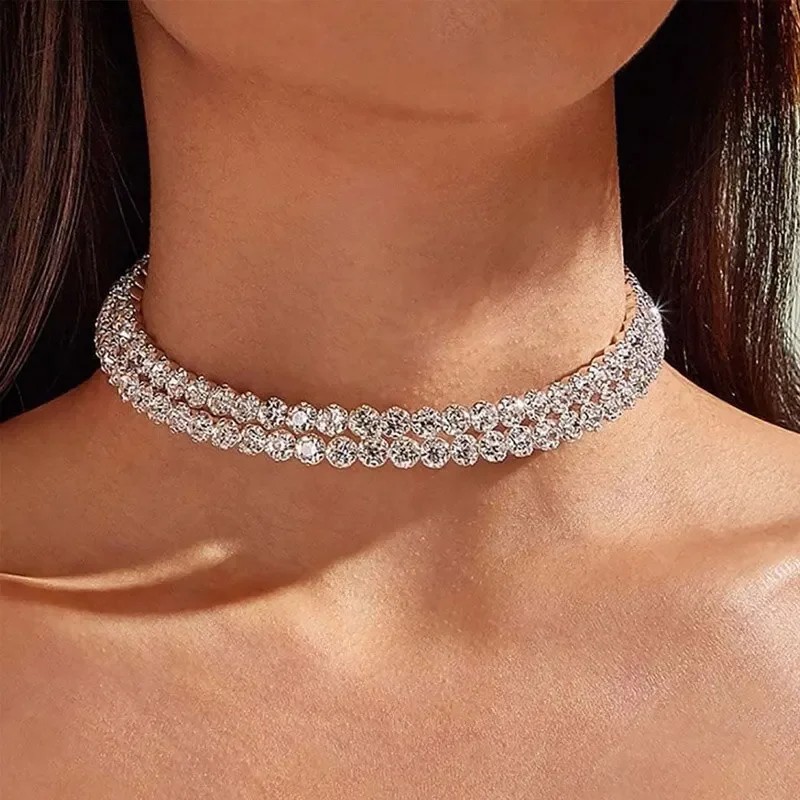
There’s something undeniably magical about a vintage rhinestone crystal layered necklace—the kind of piece that catches the light (and everyone’s attention) the moment you walk into a room. With its shimmering tiers of crystal brilliance, this style of necklace became a fashion favorite from the 1930s through the 1960s, adorning glamorous women, Hollywood starlets, and brides alike. Today, it remains one of the most collectible and wearable examples of vintage costume jewelry.
A Touch of Old Hollywood Glamour
The golden age of rhinestone jewelry was all about drama and dazzle. Costume jewelry makers like Hobe, Trifari, Coro, and Weiss crafted breathtaking layered designs using prong-set Austrian crystals that imitated the brilliance of diamonds.
The layered look, with its cascading strands of glittering stones, added instant elegance to any neckline. Whether worn with a velvet gown or a crisp white blouse, a rhinestone necklace could transform an outfit from ordinary to unforgettable.
Vintage rhinestone necklaces weren’t mass-produced throwaways. They were crafted. Each crystal was hand-set, often in silver-tone or rhodium-plated metal, to ensure maximum reflection and sparkle.
Many featured graduated strands, where the crystals increased in size toward the center, enhancing the illusion of depth and sophistication. This balance of sparkle and structure is what makes vintage rhinestone necklaces both timeless and collectible today.
Collecting and Wearing Vintage Rhinestone Necklaces
If you love statement jewelry, a vintage rhinestone crystal layered necklace is a must-have. These pieces are surprisingly versatile.
When caring for vintage rhinestones, remember that moisture is the enemy. Always store your necklace in a dry place and clean it gently with a soft cloth to keep it sparkling for decades to come.
Where to Find Vintage Rhinestone Jewelry
Authentic vintage rhinestone crystal necklaces can be found in specialty jewelry shops and trusted online stores such as Grandma’s Jewelry123 on eBay, where handpicked vintage treasures come beautifully preserved and ready to shine again.
From glamorous galas to casual chic, a vintage rhinestone crystal layered necklace adds a whisper of nostalgia and a burst of brilliance. It’s not just jewelry—it’s a sparkling slice of history, ready to tell its story all over again. ✨

For anyone looking for a sun-kissed glow, spray tanning is a safe and convenient choice, especially for those who work indoors, like restaurant managers. Choosing a professional salon ensures you receive a quality tan that is personalized to your needs and has a decent longevity. Although professional spray tans in Chandler, Arizona can be pricier than other methods, they often last longer and can be enhanced with at-home products. To maximize the tan’s duration, it’s important to follow the technician’s aftercare advice, such as avoiding excessive sweating or rubbing.
A sunless tan at a Professional Spray Tan Salon In Chandler AZ can give you a natural, flattering tan and is probably your easiest path to that “always-put-together” look given your long indoor shifts. Since you have medium skin that doesn’t tan well naturally in the Arizona sun, a trained tech can match a subtle shade that enhances your tone without looking orange or fake.
Here’s a practical plan and everything you need to know:
Quick plan
- Build: 1–2 initial sessions about 5–7 days apart if you want to build a slightly deeper base.
- Maintain: touch-ups every 7–10 days for a consistent look (or every 10–14 days if you prefer a lighter maintenance). Most spray tans naturally fade over ~7–10 days depending on your skin and how you care for it.
Before your session (prep) at a professional spray tan salon in Chandler AZ
- Exfoliate 24–48 hours beforehand (sugar scrub or gentle body exfoliant) — removes dead skin so color applies evenly.
- Avoid heavy moisturizers, oils, perfumes, deodorant or makeup on the day of the spray. These block the DHA (the tanning ingredient).
- Shave/wax at least 24 hours before — fresh nicks or irritated skin pick up color unevenly.
- Wear loose, dark clothing to the salon and avoid jewelry.
During the session / what to ask your tech
- Ask for a shade matched to your medium skin and for a subtle/neutral bronzer. Tell them you want “natural, not orange.”
- Request hands, feet, knees and elbows be blended or have a light barrier paste applied so they don’t over-darken.
- If you’re concerned about breathing in product, ask about airbrush booths with proper ventilation or a nose filter.
Aftercare (to keep it natural and even)
- Wait the recommended development time (often 6–12 hours) before your first rinse — follow salon instructions.
- When you shower, don’t scrub; pat dry.
- Moisturize daily with a non-oily lotion to prolong the tan and prevent patchy fading.
- Avoid long, hot baths/chlorinated pools and heavy sweating for a couple of days if possible — they’ll speed fading. Since you work indoors, that helps — just be careful if a shift gets especially busy/sweaty right after a tan.
Small touches for dresses / face / neckline
- Have the tech extend tan to your décolletage, shoulders and neck so your face and chest match when wearing dresses.
- For the face, many pros use a lighter mix or a separate facial spray to avoid an overly dark face.
- Use gradual tan maintenance lotion or a touch-up mousse for quick fixes on hands or small spots.
Safety & special cases
- Do a patch test the first time you visit a professional spray tan salon in Chandler AZ.
- If you use prescription topical medicines (retinoids, recent chemical peels) or are on isotretinoin, check with your dermatologist before tanning.
- If you’re pregnant and worried about inhalation, ask your OB for guidance — most salons offer precautions like nose filters and rapid-dry formulas.
Final tips
- Choose a reputable spray tanning salon in Chandler, Arizona and an experienced tech — technique matters far more than the brand of solution.
- Bring a photo of your ideal tan (subtle example) and be explicit: “natural, medium, even fade.”
- If you want, I can give you a sample 4-week schedule based on typical restaurant shifts (e.g., evening shifts vs. days off) so you don’t tan right before a busy, sweaty shift — tell me your typical days on/off and I’ll draft a schedule.
Want that sample schedule now? If so, tell me whether you work mostly evenings, daytime, or a mixed rotating schedule and I’ll make one that fits your shifts.
Got it! Since you want a natural, consistent tan with minimal effort and you work long indoor hours, here’s a practical approach for someone with medium skin that doesn’t tan well naturally:
1. Building Your Base
- 1–2 initial sessions about 5–7 days apart to create a subtle but noticeable base tan.
- This avoids an unnatural “stacked” look while giving your skin depth.
2. Maintenance Visits
- Every 7–10 days is ideal for most people — this keeps the color even and prevents patchiness.
- If you prefer a lighter, very subtle tan, every 10–14 days works too.
- Skipping too many days makes fading noticeable; more frequent visits (less than 7 days apart) can look too dark or unnatural.
3. Tips to Make Fewer Visits Work
- Daily moisturization slows fading, so you can stretch the time between sessions.
- Use a gradual tan lotion or touch-up mousse on hands, knees, or spots that fade faster — this can reduce how often you need full salon sessions.
- Schedule sessions on days before you’re off or have lighter shifts so sweating or tight clothing doesn’t affect the fresh tan.
Example Schedule for Busy Restaurant Managers
- Week 1: Spray tan #1
- Week 2: Spray tan #2 (if building base)
- Week 3 and onward: Maintenance every 7–10 days (or every 10–14 days for lighter tan)
This way, your tan always looks natural, even, and effortless — no overdone layers.
If you want, I can make a ready-to-use 1-month schedule that fits around typical long restaurant shifts, so you never have to worry about timing your visits poorly.
Do you want me to do that?
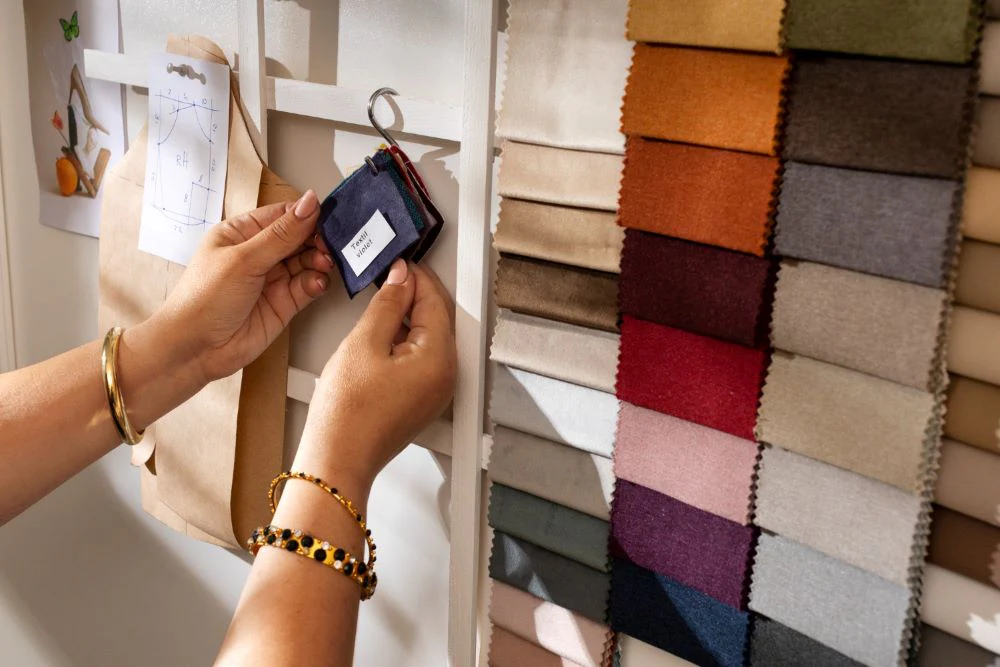
Finding the perfect cotton fabric supplier can make or break your next fashion project. With France’s thriving textile industry and growing demand for sustainable materials, choosing the right partner requires careful consideration of quality, certifications, and reliability.
This guide walks you through everything you need to know about selecting a cotton fabric supplier in France. You’ll learn the key factors that matter most, meet top recommended suppliers, and get practical tips for successful fabric sourcing.
Why Your Cotton Fabric Supplier Choice Matters
Your supplier directly impacts every aspect of your business. The right partner ensures consistent fabric quality, reliable delivery schedules, and competitive pricing that keeps your projects profitable.
Quality suppliers maintain strict standards for their cotton fabrics. They control GSM consistency, color matching, and shrinkage rates. This means your finished products meet customer expectations every time.
Reliable suppliers also scale with your business. They handle small sample orders for new designers and bulk purchases for established brands. This flexibility helps you grow without switching suppliers constantly.
Poor supplier choices create costly problems. Inconsistent fabric quality leads to customer complaints. Delayed shipments disrupt production schedules. High minimum orders strain cash flow for small businesses.
Key Factors When Choosing Cotton Fabric Suppliers
Fabric Quality and Variety
Start by evaluating the types of cotton fabric available. Quality suppliers offer multiple weaves including poplin, voile, twill, and cambric. They should also carry organic cotton options for sustainable fashion brands.
Check their fabric specifications carefully. Look for clear information about GSM (grams per square meter), thread count, and finishing processes. Suppliers should provide detailed fabric composition and care instructions.
Request samples before placing large orders. Quality suppliers offer swatch services or sample cuts. This lets you test the fabric’s feel, drape, and color accuracy before committing to bulk purchases.
Pay attention to dyeing consistency. Professional suppliers maintain color standards across different batches. They should provide color cards or digital color matching services.
Certifications and Sustainability
Certifications matter more than ever in cotton fabric sourcing. Look for suppliers offering OEKO-TEX Standard 100 certification. This ensures fabrics are tested for harmful substances.
GOTS (Global Organic Textile Standard) certification is essential for organic cotton. This standard covers the entire supply chain from fiber production to labeling.
BCI (Better Cotton Initiative) certification shows commitment to sustainable cotton farming. Suppliers with BCI cotton support water efficiency and care for soil health.
Ask about traceability. Quality suppliers can track their cotton’s origin and processing methods. This transparency helps you communicate your brand’s values to customers.
Minimum Order Quantities (MOQ)
MOQ requirements vary significantly between suppliers. Large manufacturers often require minimum orders of 500-1000 meters per color. This works for established brands but challenges small designers.
Look for suppliers offering flexible MOQ options. Some specialize in small batch production with minimums as low as 50-100 meters. These suppliers often cost more per meter but reduce inventory risk.
Consider your business model when evaluating MOQ requirements. Boutique labels need low minimums for testing new designs. Larger brands can benefit from bulk pricing on higher quantities.
Calculate total investment requirements. A 500-meter minimum at €8 per meter costs €4,000 upfront. Factor in multiple colors and designs to understand your full financial commitment.
Delivery and Logistics
Shipping timelines affect your production schedule. Domestic French suppliers typically deliver within 3-7 business days. International suppliers may take 2-4 weeks for standard shipping.
Consider warehouse locations. EU-based suppliers avoid customs delays and additional fees. International suppliers may offer competitive prices but add complexity to logistics.
Ask about shipping costs and policies. Some suppliers offer free shipping above certain order values. Others charge by weight or volume. Factor these costs into your total fabric expenses.
Check tracking and communication systems. Professional suppliers provide order tracking information and proactive updates about delays or issues.
Custom Services and Technical Support
Custom services add value for many fabric buyers. Look for suppliers offering custom dyeing, printing, or finishing services. These capabilities let you create unique fabrics for your brand.
Technical support helps with specification questions. Experienced suppliers can recommend suitable fabrics for specific applications. They understand how different cotton weaves perform in various garments.
Some suppliers offer design collaboration services. They work with brands to develop exclusive fabrics or adapt existing products to specific requirements.
Consider lab testing services. Professional suppliers can test fabrics for shrinkage, colorfastness, and durability. This ensures your finished products meet quality standards.
Top Cotton Fabric Suppliers for France
Fabriclore
Fabriclore ships globally to France and specializes in diverse cotton fabric options. They offer sustainable cotton varieties alongside conventional options.
Their MOQ starts at just 50 meters for most fabrics. This makes them ideal for small designers testing new concepts. They provide custom dyeing services and detailed fabric specifications.
The company maintains OEKO-TEX and GOTS certifications for their sustainable product lines. They offer sample services and detailed technical support for fabric selection.
Shipping to France typically takes 10-14 business days. They handle customs documentation and provide tracking information throughout the process.
Tissus.net
Tissus.net operates as a major EU-based fabric supplier with extensive cotton fabric inventory. They carry GOTS-certified organic cotton options alongside conventional varieties.
Their platform serves both individual designers and commercial buyers. They offer fabric samples and detailed product specifications online.
The company provides reliable shipping throughout France and neighboring countries. Orders typically arrive within 3-5 business days for domestic deliveries.
They maintain a large database of cotton fabrics in various weights and finishes. Their website includes detailed filtering options to find specific fabric types.
Mondial Tissus
Mondial Tissus combines online ordering with physical stores across France. This hybrid approach lets you examine fabrics in person before ordering.
They serve both hobbyist sewers and professional designers. Their cotton selection includes basic and premium options at various price points.
The company offers competitive pricing for bulk orders while maintaining reasonable minimums for smaller purchases. They provide fabric care instructions and sewing recommendations.
Their extensive store network makes returns and exchanges convenient. You can order online and pick up at local stores or arrange home delivery.
Biotissus
Biotissus focuses specifically on certified organic cotton fabrics. They specialize in sustainable textiles for ethical fashion brands.
Their cotton fabrics carry GOTS certification and detailed traceability information. They work with brands to develop custom organic cotton solutions.
The company offers technical support for sustainable fabric selection. They understand the unique properties of organic cotton and can recommend suitable applications.
Their MOQ requirements are moderate, making them accessible for mid-sized fashion brands. They provide detailed sustainability reports for their cotton products.
First-Time Fabric Sourcing Tips
Start with small sample orders from 2-3 potential suppliers. This lets you compare quality, service, and pricing without major investment.
Read customer reviews and testimonials carefully. Look for feedback about quality consistency, delivery reliability, and customer service responsiveness.
Clarify all costs upfront including shipping, customs fees, and any service charges. Hidden costs can significantly impact your fabric budget.
Establish clear communication channels. Ensure your supplier responds promptly to questions and provides regular order updates.
Document everything including fabric specifications, pricing, and delivery terms. This prevents misunderstandings and helps with future orders.
Test fabrics thoroughly before bulk production. Wash samples to check shrinkage and colorfastness. This prevents problems in finished garments.
Making Your Final Decision
Choosing the right cotton fabric supplier requires balancing multiple factors. Quality, sustainability, pricing, and service all matter for long-term success.
Consider trying international suppliers like Fabriclore for variety and customization options. Their flexible MOQ policies and certification standards make them suitable for many French buyers.
For immediate needs and simple requirements, domestic suppliers like Tissus.net or Mondial Tissus offer convenience and faster delivery.
Always request samples before committing to bulk orders. This small investment prevents costly mistakes and ensures you get exactly what you need.
Remember that the cheapest option isn’t always the best value. Factor in quality, reliability, and service when making your final decision. The right supplier becomes a valuable partner in your business growth.
Discover our extensive collection of custom-printed, ready mill-dyed, and yarn-dyed fabrics designed to perfectly complement your upcoming collection. For tailored support or any questions, contact us at hello@fabriclore.com. Experience effortless, genuine, and cost-effective fabric sourcing with Fabriclore.

Real estate needs to evolve with each stage of life. From buying your first home to finding retirement properties that suit your lifestyle, every chapter brings new opportunities and challenges. A tailored approach ensures that your housing situation meets both your immediate and long-term goals. Whether you’re a young professional, starting a family, or preparing for retirement, finding the right property is essential for comfort and security.
Finding the Perfect Home for New Beginnings
Starting fresh often means finding a home that reflects new goals and aspirations. First-time buyers are typically looking for homes that are affordable, well-located, and have room to grow. It can be overwhelming, but a clear plan helps. Working with an experienced realtor in the area can make this process smoother. They know the local market and can offer insights on properties that match your budget and preferences. The goal is to find a place where you can build your future.
Exploring Family-Friendly Housing Options
As families grow, so do the housing needs. The search for a family-friendly home often includes considerations like space, neighborhood, schools, and amenities. Many families want a yard for kids to play, proximity to parks, or a short commute to work. A good realtor in this stage will focus on these specific needs, ensuring that the property not only fits the family but also supports long-term plans. The right home can provide the stability and environment needed for children to thrive.
Choosing the Right Retirement Properties
Retirement brings new priorities when it comes to real estate. Many individuals and couples are looking for homes that require less maintenance, are located near medical facilities, and offer a peaceful, comfortable lifestyle. Retirement properties often offer amenities such as accessibility features, low-maintenance living, and social communities. Realtors who specialize in retirement properties can provide guidance to ensure that you choose a home that matches your vision for this new chapter. These properties are not just about comfort but also about ensuring that the future is manageable and enjoyable.
The Role of a Realtor in Your Property Search
A realtor in your journey through real estate offers more than just listings. They act as your advocate, helping you navigate the complexities of buying and selling homes. From understanding market trends to negotiating the best price, a realtor provides invaluable expertise. They can also help you with more specific needs, like finding retirement properties or homes that support a particular lifestyle. With their knowledge, a realtor in your area saves you time and stress, ensuring that every real estate decision is aligned with your goals.
The Benefits of Working with a Realtor in Retirement
A realtor in retirement can be an essential resource, especially if you’re looking for retirement properties that suit your changing needs. They understand the specific requirements for senior living, such as accessibility, proximity to healthcare, and proximity to friends and family. Realtors specializing in retirement properties can help you find homes in communities designed for seniors or help you explore options for aging in place.
Conclusion
Every life stage requires different real estate solutions, and understanding your needs is key to finding the right home. From your first property purchase to choosing the ideal retirement properties, a personalized approach can help you navigate these transitions with ease. Realtors provide valuable guidance through every step, ensuring that each decision aligns with your current and future goals. With the right support, your real estate journey can be a smooth and successful part of your life’s story.
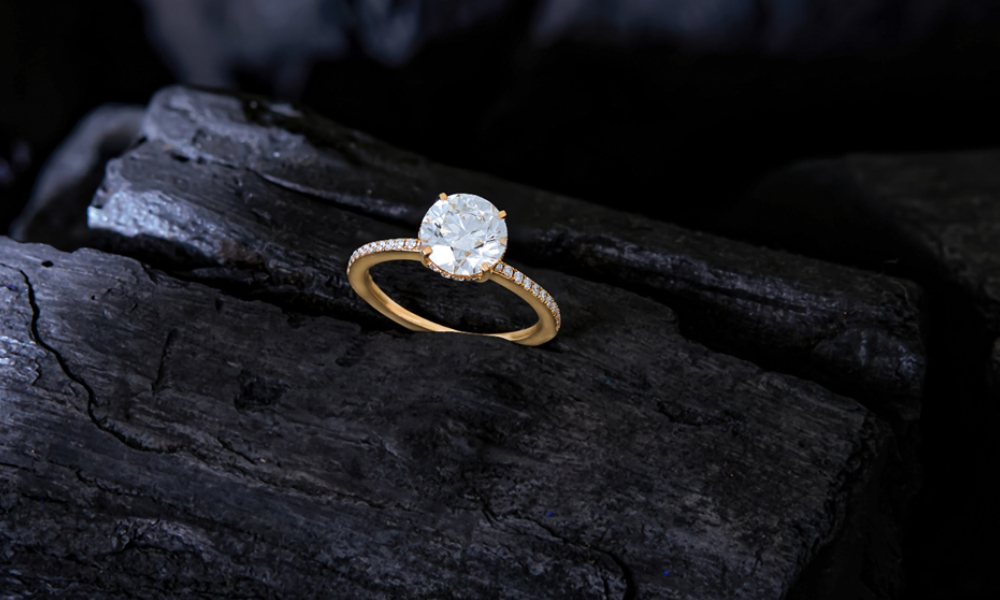
An engagement ring is more than just a piece of jewelry; it is a symbol of love, commitment, and the unique journey of two individuals. In a city renowned for its history, culture, and exquisite craftsmanship, affordable engagement rings London offer stunning designs without compromising on quality. Choosing a bespoke engagement ring allows couples to create a timeless piece that tells their story, reflecting their personalities and emotions in a way no off-the-shelf ring can.
The Beauty of Bespoke Design
A bespoke engagement ring offers the ultimate expression of individuality. Unlike mass-produced rings, a custom-made design ensures that every detail is tailored to the wearer’s taste, from the choice of metal to the setting and the gemstone itself. London is home to some of the finest jewelry artisans, whose expertise transforms raw materials into breathtaking works of art. Whether inspired by vintage elegance, modern minimalism, or a fusion of styles, a bespoke ring captures the essence of the couple’s bond.
The process of creating a bespoke engagement ring is an intimate and collaborative experience. It begins with an initial consultation, where the jeweler discusses the couple’s vision, preferences, and budget. Sketches and digital renderings bring the concept to life, allowing the couple to refine every detail before the final design is approved. This personalized approach ensures that the final piece is not only visually stunning but also carries sentimental value, making it a cherished heirloom for generations to come.
Selecting the Perfect Gemstone
One of the most exciting aspects of designing a bespoke engagement ring is choosing the gemstone. While diamonds remain the classic choice, many couples are exploring alternative stones to create a unique and meaningful ring. Sapphires, emeralds, and rubies offer vibrant color options, each carrying its own symbolism and charm. Some may opt for ethically sourced or lab-grown diamonds, reflecting their values and commitment to sustainability.
In London, renowned jewelers provide access to the highest-quality gemstones, ensuring that each stone is selected with precision and care. Factors such as cut, clarity, carat weight, and color play a crucial role in determining the stone’s brilliance and overall appearance. With expert guidance, couples can select a gemstone that not only enhances the beauty of the ring but also holds personal significance.

The Art of Fine Craftsmanship
The expertise of a skilled jeweler is what transforms a vision into reality. London’s jewelry houses and independent artisans uphold centuries-old techniques while incorporating modern innovations. Handcrafting a bespoke engagement ring requires exceptional attention to detail, from shaping and setting the metal to securing the gemstone with precision. Each stage of the process is meticulously executed, ensuring that the final piece meets the highest standards of craftsmanship.
Beyond aesthetics, comfort and durability are also key considerations. A well-crafted ring should be designed to withstand everyday wear while maintaining its elegance over time. Jewelers take into account the lifestyle of the wearer, recommending designs that balance beauty with practicality. The result is a ring that is not only exquisite but also perfectly suited to its owner.
A Unique Symbol of Love
A bespoke engagement ring is more than just an accessory; it is a reflection of a couple’s journey and shared dreams. The ability to customize every element, from the setting to the engraving, allows for a deeply personal connection to the piece. Some couples incorporate meaningful symbols, initials, or hidden details that make the ring truly one-of-a-kind.
Choosing a bespoke engagement ring in London means entrusting skilled artisans to bring a love story to life through exceptional craftsmanship and timeless design. The experience of creating a custom ring is as special as the moment it represents, ensuring that the memories of this milestone last a lifetime. Whether classic or contemporary, a bespoke engagement ring is a treasure that embodies love in its purest form.
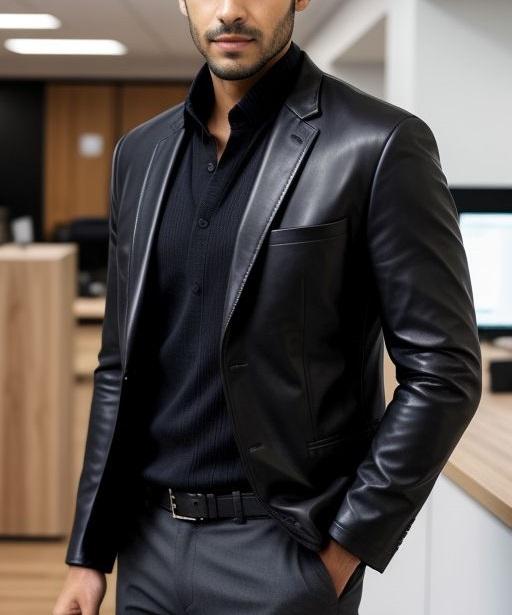
Men’s fashion is always evolving, and the leather blazer is a perfect example of a classic piece that keeps finding new ways to stay relevant. Designers have pushed boundaries and brought fresh ideas to this wardrobe staple. Whether you’re a fan of bold styles or prefer understated elegance, there’s something new to explore. Let’s take a closer look at the top trends in men’s leather blazers for the year ahead.
1. Bold Colors Take the Spotlight
Black and brown leather blazers will always be reliable classics, but this year, bold colors are making their mark. Shades like deep burgundy, forest green, and navy blue are showing up everywhere. These colors offer a fresh alternative while still being versatile. If you’re feeling adventurous, metallic finishes like silver and bronze are also becoming popular, especially for evening events or fashion-forward occasions.
The trick is to keep the rest of your outfit simple. For example, pair a forest green blazer with a white turtleneck and tailored trousers for a standout look that’s still easy to pull off.
2. Textures Add Interest
Smooth leather is great, but textured leather is taking things up a notch. Think pebbled finishes, embossed patterns, or even crocodile and snakeskin textures. These options add depth and character, turning your blazer into the star of your outfit.
Textured blazers work in both formal and casual settings. A pebbled leather blazer can elevate a minimalist look, while an embossed design is perfect for a night out paired with sleek trousers.
3. Relaxed Fits Are In
The slim-fit blazer isn’t going anywhere, but oversized and relaxed fits are having their moment in 2025. These looser styles bring a laid-back vibe without losing sophistication. Look for blazers with dropped shoulders, roomier cuts, and slightly longer lengths that feel modern yet comfortable.
A relaxed-fit leather blazer works great for casual occasions. Throw it over a plain tee with straight-leg jeans, or dress it up with tailored pants and a button-down shirt for a semi-formal edge.
4. Minimalist Details Shine
Sometimes, less really is more. Leather blazers with clean lines, hidden buttons, and simple lapels are gaining traction. These minimalist designs blend seamlessly with almost any outfit, making them incredibly versatile.
Try styling a minimalist blazer with dark denim and a crisp white shirt for an easy, polished look. You can also go for a monochrome outfit to keep things modern and sleek.
5. Sustainability Matters More Than Ever
Sustainability is becoming a key focus in fashion, and leather blazers are no exception. Brands are turning to ethically sourced leather, recycled materials, and eco-conscious production methods. Vegan leather options are also on the rise, offering cruelty-free alternatives that don’t sacrifice style or quality.
If you’re shopping with sustainability in mind, look for blazers from brands that prioritize eco-friendly practices. Not only will you get a great piece, but you’ll also feel good about your purchase.
6. Creative Cuts for Layering
Designers are getting more experimental with the cuts and designs of leather blazers this year. Asymmetrical closures, cropped lengths, and blazer-hoodie hybrids are just a few examples of what’s trending. These fresh takes open up new possibilities for layering and styling.
For example, an asymmetrical blazer pairs well with a graphic tee and slim-fit pants for a cool, edgy look. A cropped blazer can be layered over a longer shirt to create an interesting contrast.
7. Heritage Designs Make a Comeback
Vintage-inspired styles are making waves once again.Double-breasted blazers, wide lapels, and structured shoulders bring a touch of old-school elegance to modern wardrobes. These designs feel timeless yet fresh when paired with contemporary pieces.
Craftsmanship is also taking center stage. Hand-stitched details, intricate patterns, and high-quality finishes are becoming more common, making these blazers feel like true investment pieces.
8. Monochromatic Looks Stay Strong
Monochromatic dressing isn’t going anywhere, and leather blazers are a great way to pull off this trend. Matching or closely coordinating the color of your blazer with the rest of your outfit creates a clean, cohesive look.
For instance, a taupe leather blazer with matching trousers and a similar-toned shirt feels polished and put-together. This style works well for formal events or when you just want to look effortlessly sharp.
9. Statement Hardware Adds Edge
Zippers, buckles, and other metallic details are making their way into leather blazer designs. These accents give the blazer an edgier, more modern feel. Whether it’s zippered pockets or bold metal buttons, these details are perfect for making a statement.
Keep the rest of your outfit simple to let the hardware stand out. A plain black tee and dark jeans are all you need to complete the look.
10. Customizable Options for Personal Style
More brands are offering customization options for leather blazers. You can now choose your preferred color, texture, fit, and even add unique details like monograms. This trend lets you create a blazer that truly reflects your personal style.
A customized leather blazer isn’t just another piece of clothing—it’s something uniquely yours. It’s a great way to stand out and invest in a wardrobe staple that feels special.
Final Thoughts
The latest trends in men’s leather blazers offer something for everyone. Whether you’re drawn to bold colors, sustainable options, or heritage-inspired designs, there’s no shortage of choices. These trends prove that the leather blazer isn’t just a passing fad—it’s a versatile piece that keeps adapting to new styles and preferences.
When you find the right leather blazer, you’re not just adding to your wardrobe—you’re investing in a piece that blends classic appeal with modern innovation. Stay ahead of the curve by embracing these trends and making the leather blazer your go-to for any occasion.