
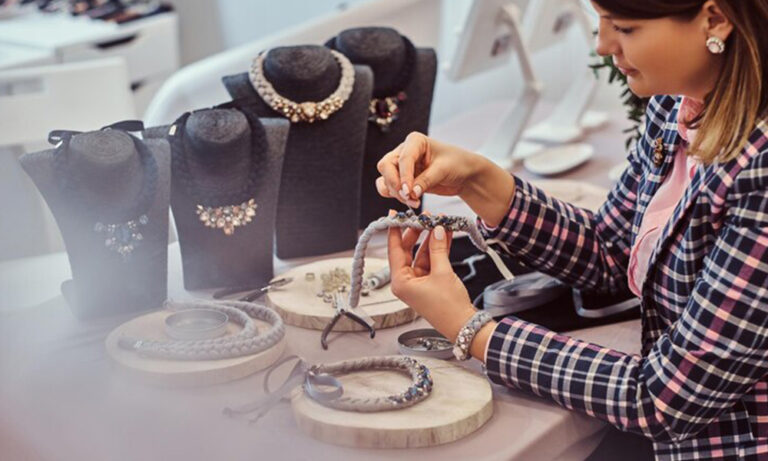
For many years, the exquisiteness and tradition of handmade ornaments have been recognized and admired. Nowadays, the issues of sustainability are influencing the practices of designing, manufacturing, and appraising these decorative pieces. Though many sellers might display a range of detailed products and trendy items for different seasons, the real narrative of handmade ornaments is in the rethinking of materials and the adoption of trends that give importance not only to the beauty of the product but also to its ecological impact. So it is crucial to pick such a reliable website that meets your expectations.
The Shift Towards Sustainable Craftsmanship
Recently, artisans and small-scale producers have been increasingly figuring out ways to use environmentally-friendly materials so that they can reduce the impact on the environment. Historically, glass, metal, and synthetic adornments were mostly used in traditional ornament making. Although many of these materials are still widely used, there is a very clear trend to use eco-friendly materials that are made from recycled glass, reclaimed wood, organic cotton, natural fibers, and biodegradable dyes.
This change is a response to the increased consciousness of both makers and buyers. Buyers are no longer attracted only to the visual beauty of a product; they want to know how it was made and what the environmental impact is. Locally made ornaments are already more in line with slow production processes than mass-produced decor simply by their nature. But the concept of sustainability has now been broadened beyond the speed of production to include the entire lifecycle of the ornament.
Recycled and Natural Materials in Focus
One of the most recycled glass pieces that is used in the production of ornaments is recycled glass. It is by melting and reshaping the discarded glass that the craftsmen help to reduce the demand for new raw materials and, at the same time, limit waste to landfill. The pieces sometimes even retain slight color variations and texture, which is a plus to their character and authenticity.
Wood has been one of the most common materials used in the past as well as the present, especially if it comes from reclaimed or sustainable forests. Artisans produce wooden decorations by carving, sanding, and painting them with water-based paints or using plant-based oil finishes to reduce the level of harmful emissions. Similarly, jute, wool, bamboo, and cork serve as biodegradable substitutes for plastic-based decorations.
There is also a trend towards using natural dyes extracted from plants, minerals, and food waste. Such dyes result in softer and duller colors that are more in line with the current design preferences and are free from synthetic chemicals. The outcome is a perfect marriage of traditional craftsmanship and environmentally conscious innovation.
Trends Shaping Sustainable Ornament Design
Sustainable ornament trends do not only involve materials but also the overall design philosophy. Minimalism is widely recognized as a major factor nowadays, and a great number of handcrafted pieces showcase simple forms, soft colors, and light textures. Such a way of thinking attempts to eliminate unnecessary details and offers items that never go out of style, thus being used for a long time rather than thrown away after a single season.
Another trend that is gaining popularity is multifunctionality. Some handcrafted items, including ornaments, have been given functions in two areas: the characters who have been used to decorate first could be changed into mementos, gift tags, or house decorations later. Such a folding nature makes the item last longer and prevents the production of trash at the same time.
Personalization is yet another factor that can be linked to sustainability. Making things to order usually increases the value that people attach to the items, thus decreasing the likelihood of them being thrown away after only one season. In fact, when people become emotionally involved with an item, they are more likely to keep and reuse it, which indirectly leads to more responsible consumption.
Ethical Production and Community Impact
Sustainability in handmade decorations really goes hand in hand with using people for work in an ethical way. There are lots of artisans who work in small workshops or are members of co-ops that emphasize the payment of fair wages and the provision of safe working conditions. When buying handmade, one supports the preservation of the traditional skills of the crafts while at the same time, one helps the local communities to become economically stable.
Handcraftsmanship mainly focuses on quality. Every piece is a result of a certain amount of time, skill, and a lot of concentration on details. Such a slow production cycle is different from industrial manufacturing, and it comes in line with the broader global movement towards conscious consumerism. The buyers, by appreciating the human work behind each decoration, are unconsciously giving support to the most sustainable economic systems.
The Future of Sustainable Ornament Craft
With the rise of environmental awareness, sustainable materials and thoughtful designs will probably be the main characteristics of the future handcrafted ornaments. New creative ideas for eco-friendly packaging, carbon-neutral transportation, and supply chain transparency are also helping to push this change forward. People, when they are buying ornaments from a website, look more and more at the brand’s statements regarding sustainability, the information about material sourcing, and the ethical commitments.
Handcrafted ornaments, in the end, are not just decorative items. They are at the crossroads of art, tradition, and changing environmental values. By using responsible materials and continuing to follow design trends in a way that is mindful of the environment, the craft not only can sustain its timeless appeal but also meet the modern-day challenges.